Looking for a poured rubber or resin-bound stone surface?
Resin rubber surfaces and resin-bound stone are now installed by Concrete Surfaces LLC throughout St. Lucie, Indian River, and Martin Counties, including Vero Beach, Port St. Lucie, Fort Pierce, Sebastian, and Stuart.
These are two related outdoor finishes. Resin rubber is a poured-in-place surface made from EPDM rubber granules and a resin binder, troweled over a prepared base. Resin-bound surfacing mixes natural stone with UV-resistant resin to form a smooth, seamless, permeable finish sometimes called a stone carpet. Both can be used on pool decks, patios, walkways, driveways, and other outdoor areas.
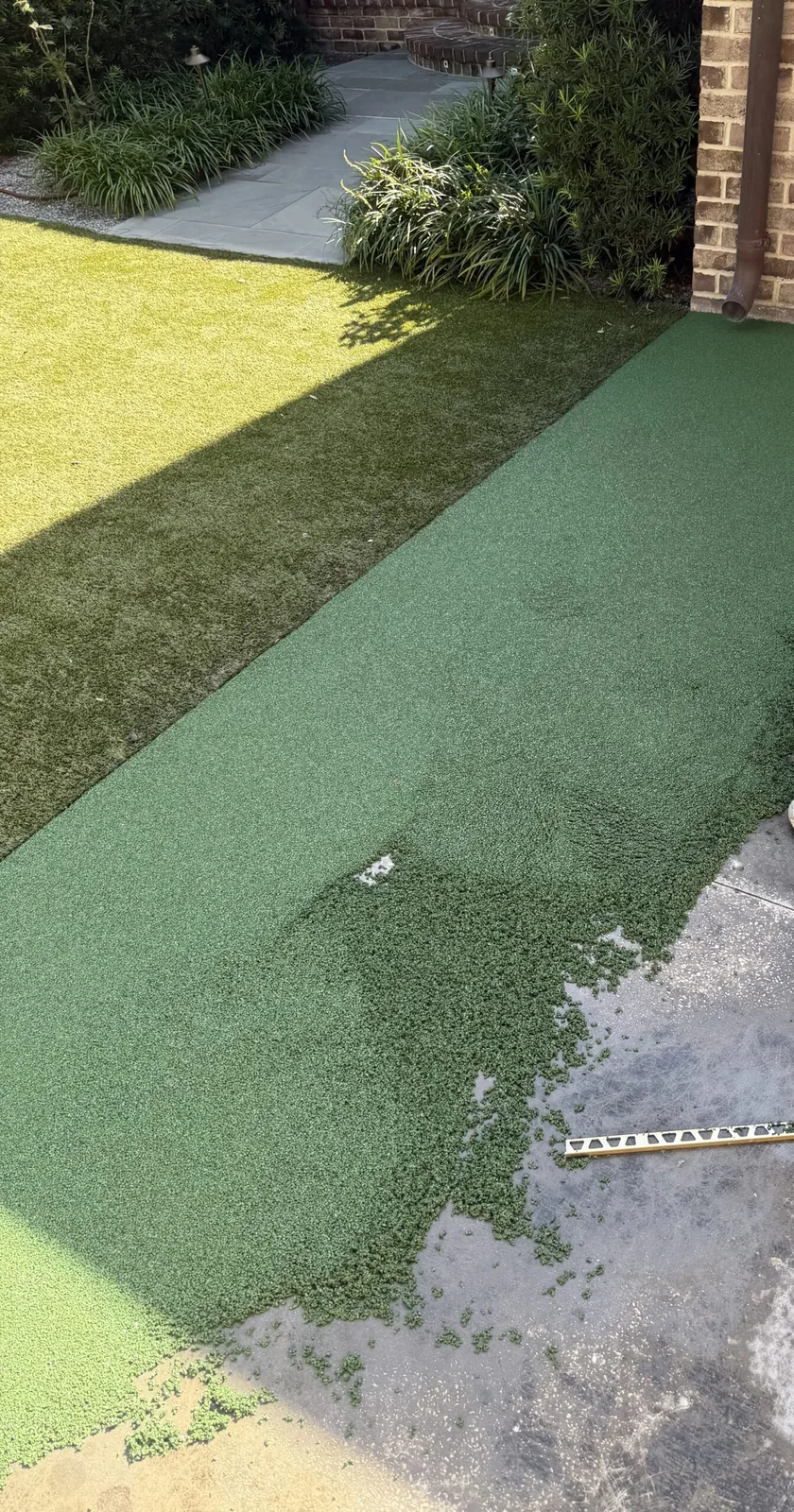
Our recent resin rubber job
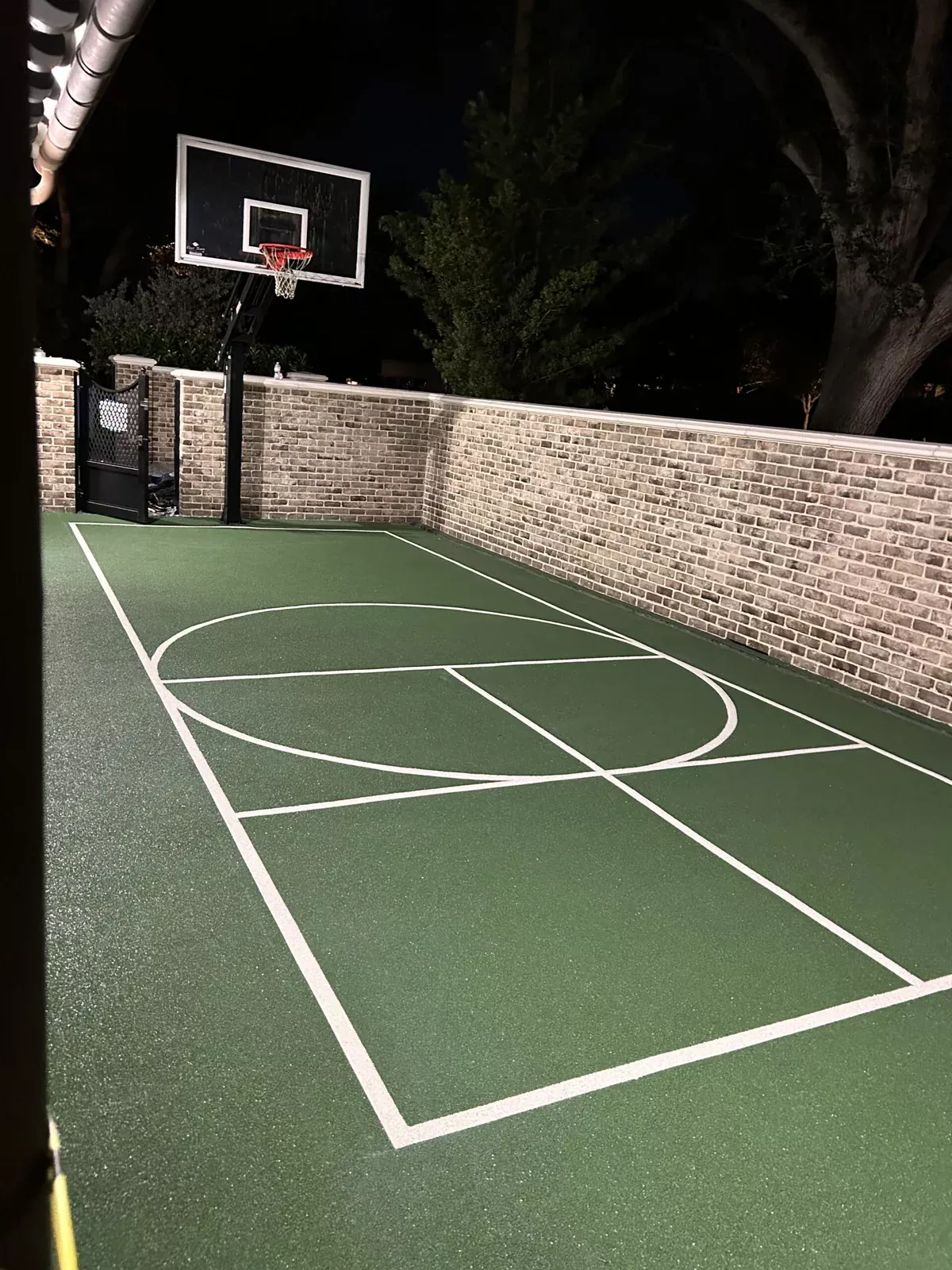
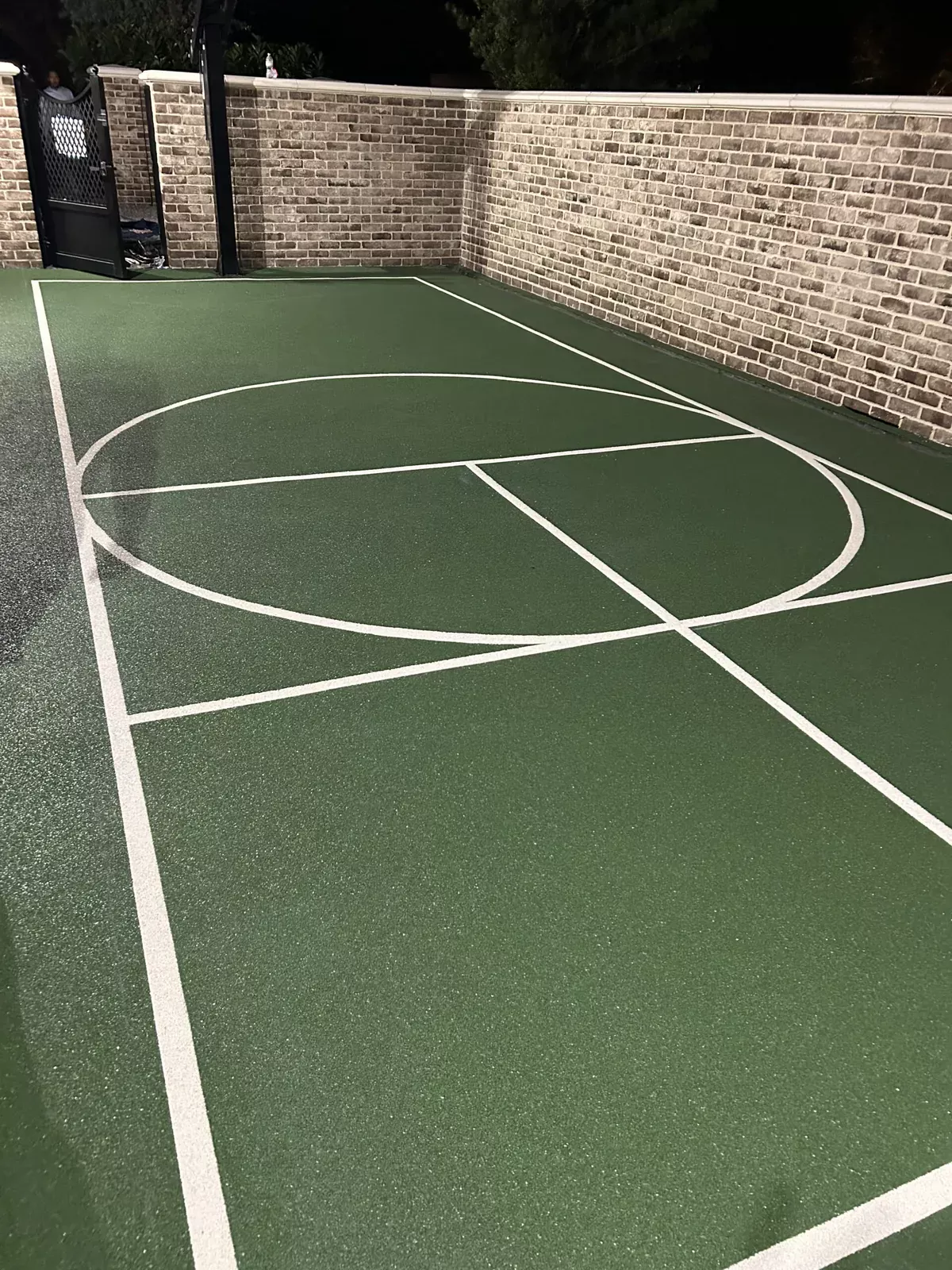
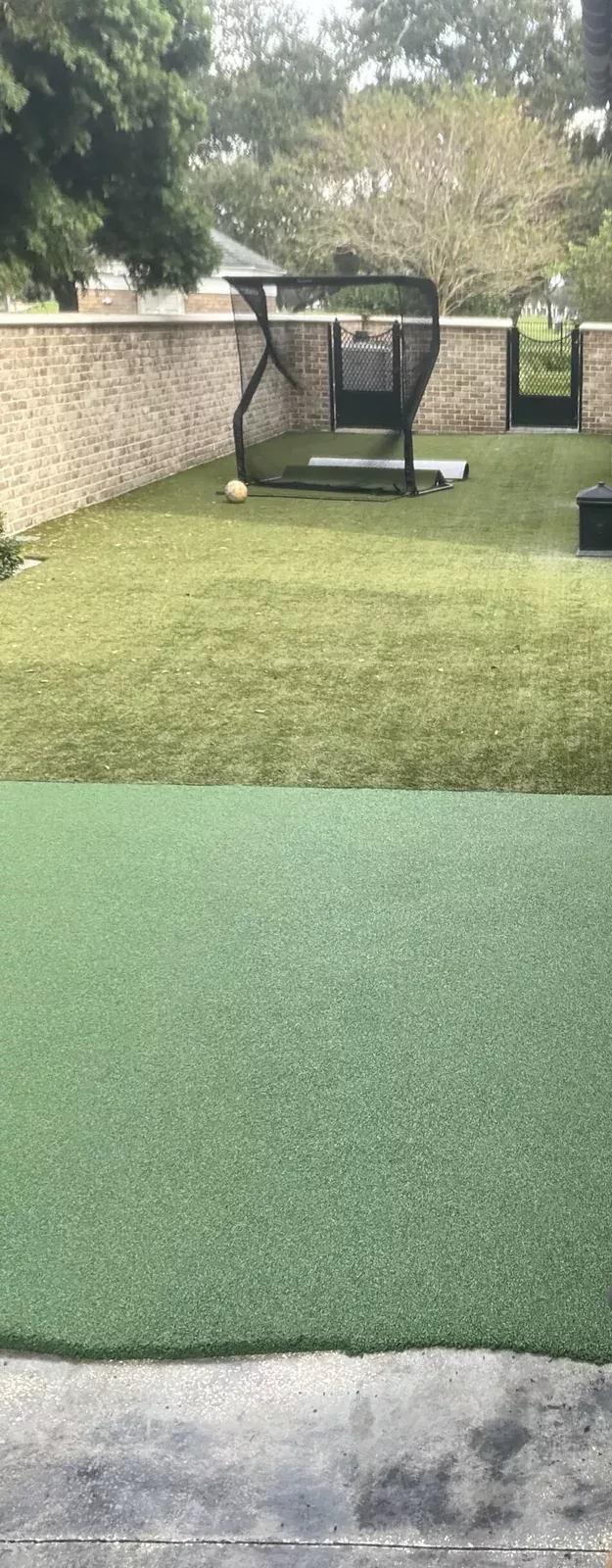
We recently installed a green resin rubber surface for a residential court and play area. The work included a basketball court with painted lines and a poured rubber pad next to turf. The photos and short video below are from that job.
What is resin rubber surfacing?
A resin rubber surface is poured on site from EPDM rubber granules mixed with a resin binder and troweled over a prepared base. Because it is formed in place, the surface can follow curves, steps, and edges as one continuous finish, without a grid of joints.
Materials are available in solid colors, where each granule is a single shade all the way through, and in mixed blends that combine two to four colors for a speckled, natural-stone look. The finished surface is porous, has some give underfoot, and can be used over a prepared existing base such as concrete. Color, thickness, and the binder are chosen to suit the use of the area, the amount of sun, and how the surface will drain.
Learn more about the rubber granules, binders, and color range on the Resin Rubber product page.
What is a resin-bound surface?
A resin-bound surface, sometimes called a stone carpet, is natural stone bound in UV-resistant resin. The mix is laid as a smooth, seamless finish. Water drains straight through the surface, which helps reduce standing water when the base underneath is prepared to carry that water away.
The manufacturer describes resin-bound surfacing as permeable, slip-resistant, hard-wearing, UV-resistant, weed resistant, frost resistant, and low-maintenance, with a natural stone appearance. It can be applied to new or existing surfaces for residential and light-traffic commercial areas, including driveways, patios, pathways, pool surrounds, and tree surrounds.
See how the resin-bound system is presented on the Resin Rock resin-bound page.
Where these surfaces can be applied
Depending on the product and how the area is used, resin rubber and resin-bound finishes can be installed on:
- Pool decks and splash pads
- Patios, porches, and garden paths
- Walkways and sidewalks
- Driveways and other light-traffic vehicle areas, when the system and thickness are specified for vehicles
- Play areas and outdoor fitness zones
- Courts and sport surfaces
- Tree surrounds (resin-bound)
The right choice depends on the existing surface, drainage, sun exposure, and whether the area needs to take foot traffic, play equipment, or vehicles. We review those details with you before recommending a finish.
Benefits of these surfaces
Resin rubber
- Poured as one continuous surface that can follow curves and edges
- Porous finish; the base still has to carry water away
- Some flexibility underfoot; movement tends to show as a gentle curve rather than a sharp lip
- Wide color range, including solid colors, stone-look blends, and custom graphics or line work
- Used around pools, on paths and patios, courts, play areas, and walkways
Resin-bound stone
- Natural stone finish with a smooth, seamless look
- Permeable surface that lets water drain through
- Described by the manufacturer as slip-resistant, UV-resistant, weed resistant, and frost resistant
- Low-maintenance finish for driveways, patios, paths, pool surrounds, and tree surrounds
- Suitable for new or existing bases in residential and light-traffic commercial settings
Example applications
These photos show how the products can look on courts, pool decks, paths, play areas, driveways, patios, and entrances. Colors and finishes vary with the specification, the base, and the light.
Resin rubber examples
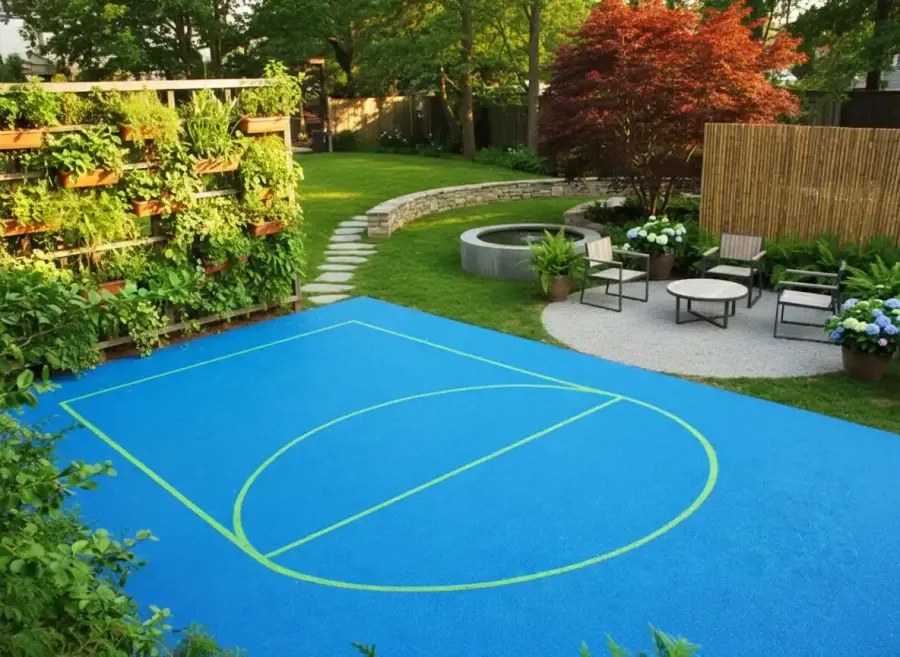
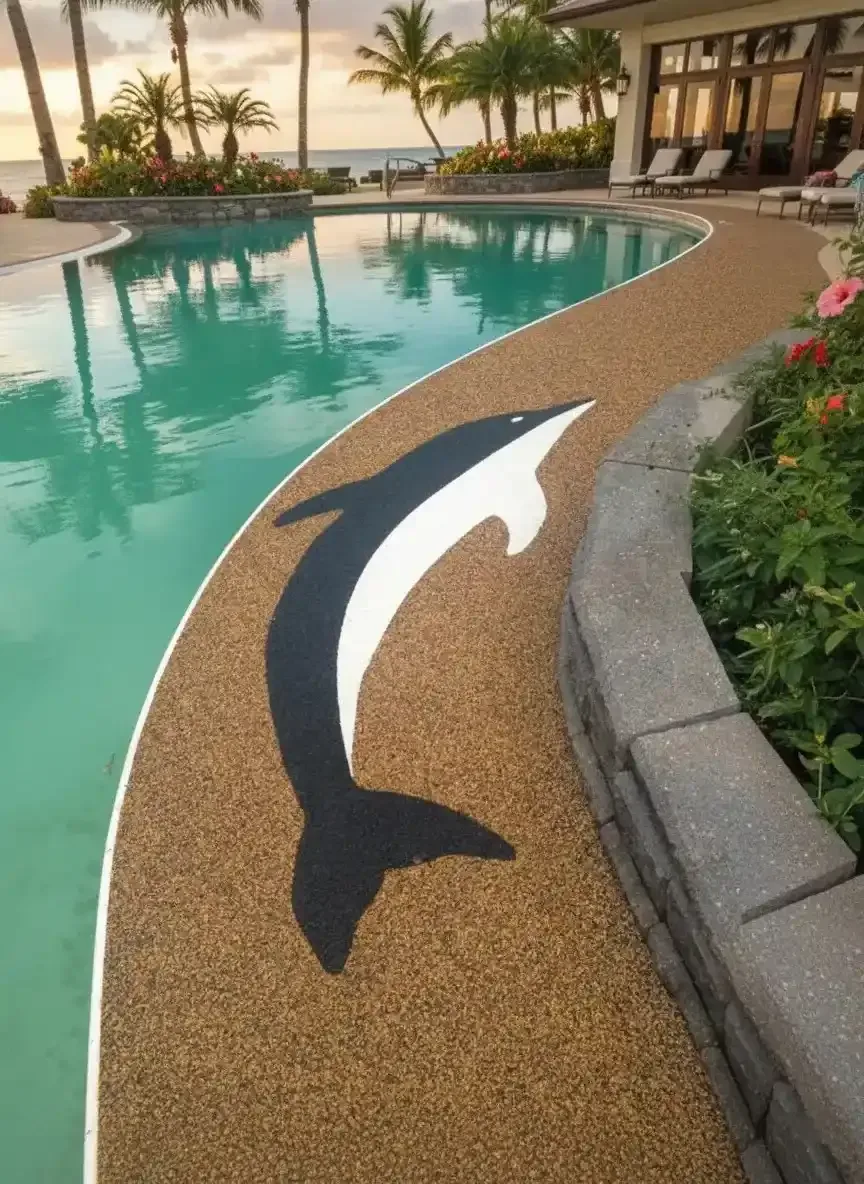
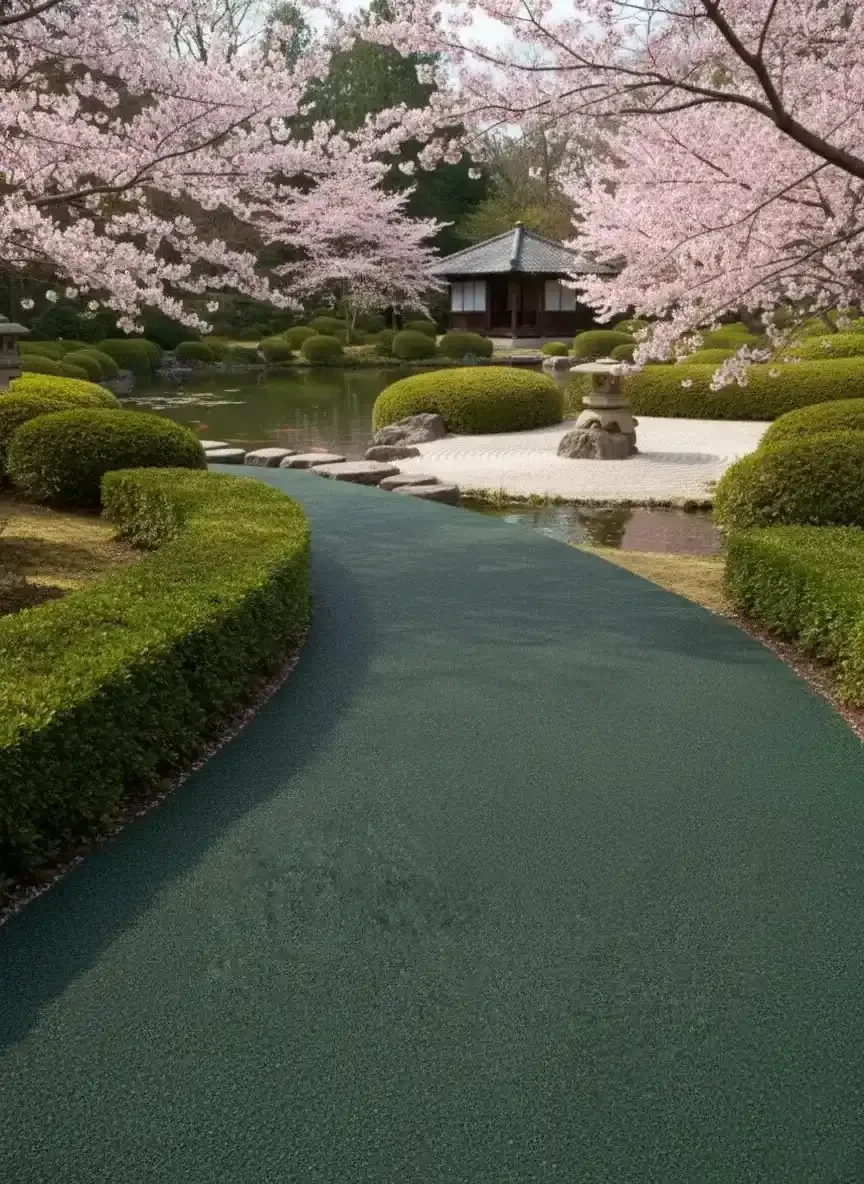
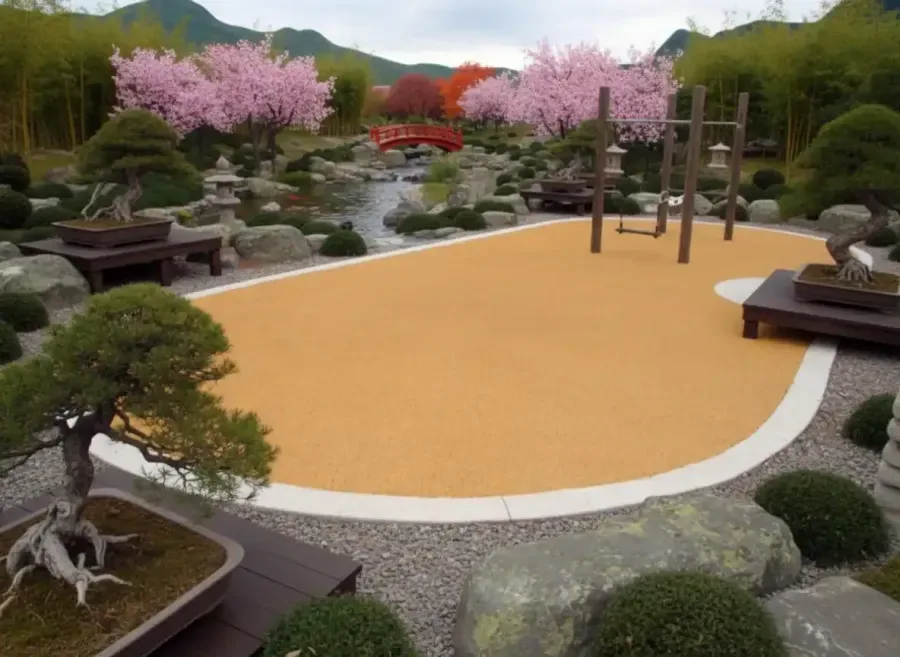
Stock example photos.
Resin-bound stone examples
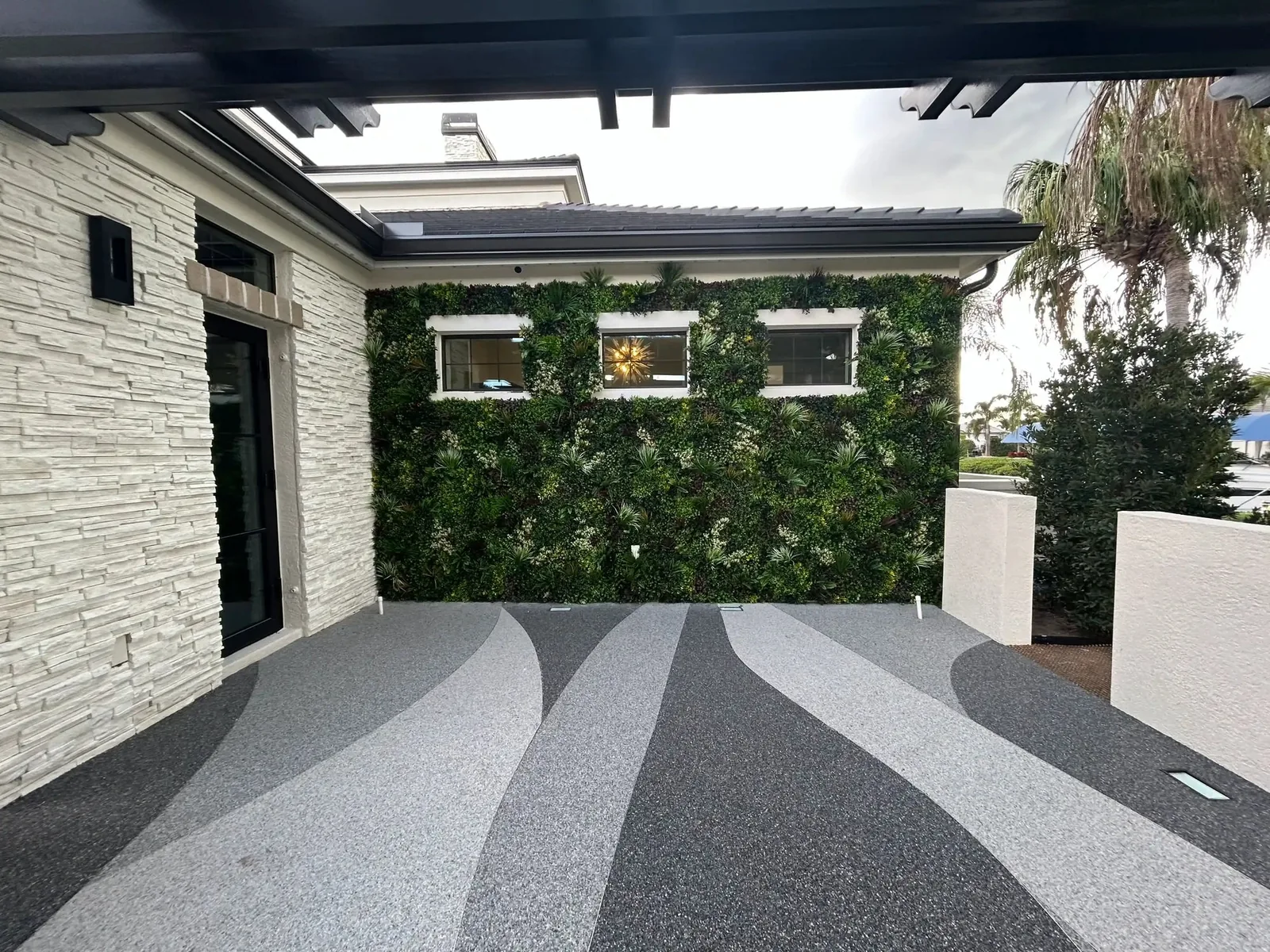
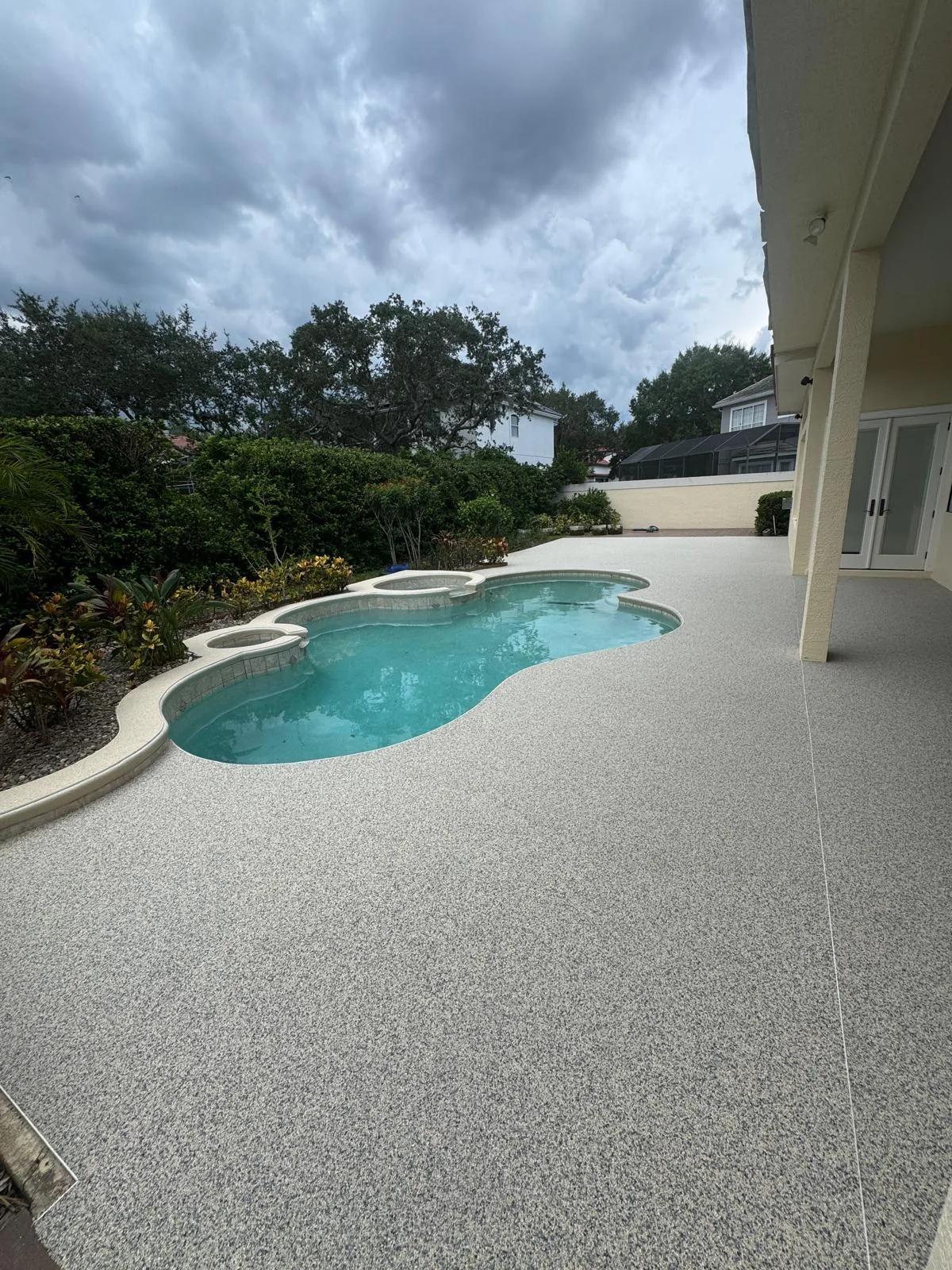
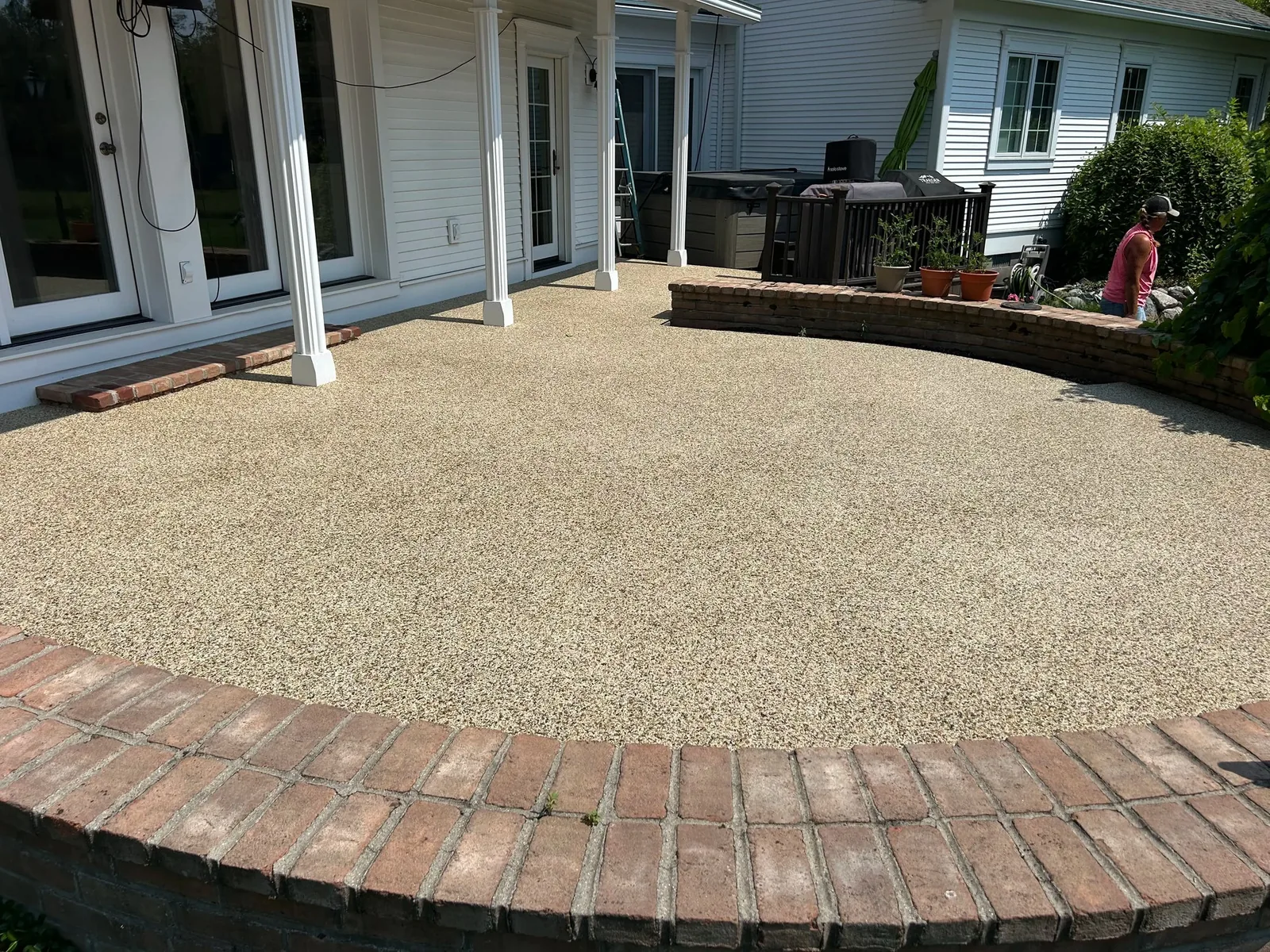
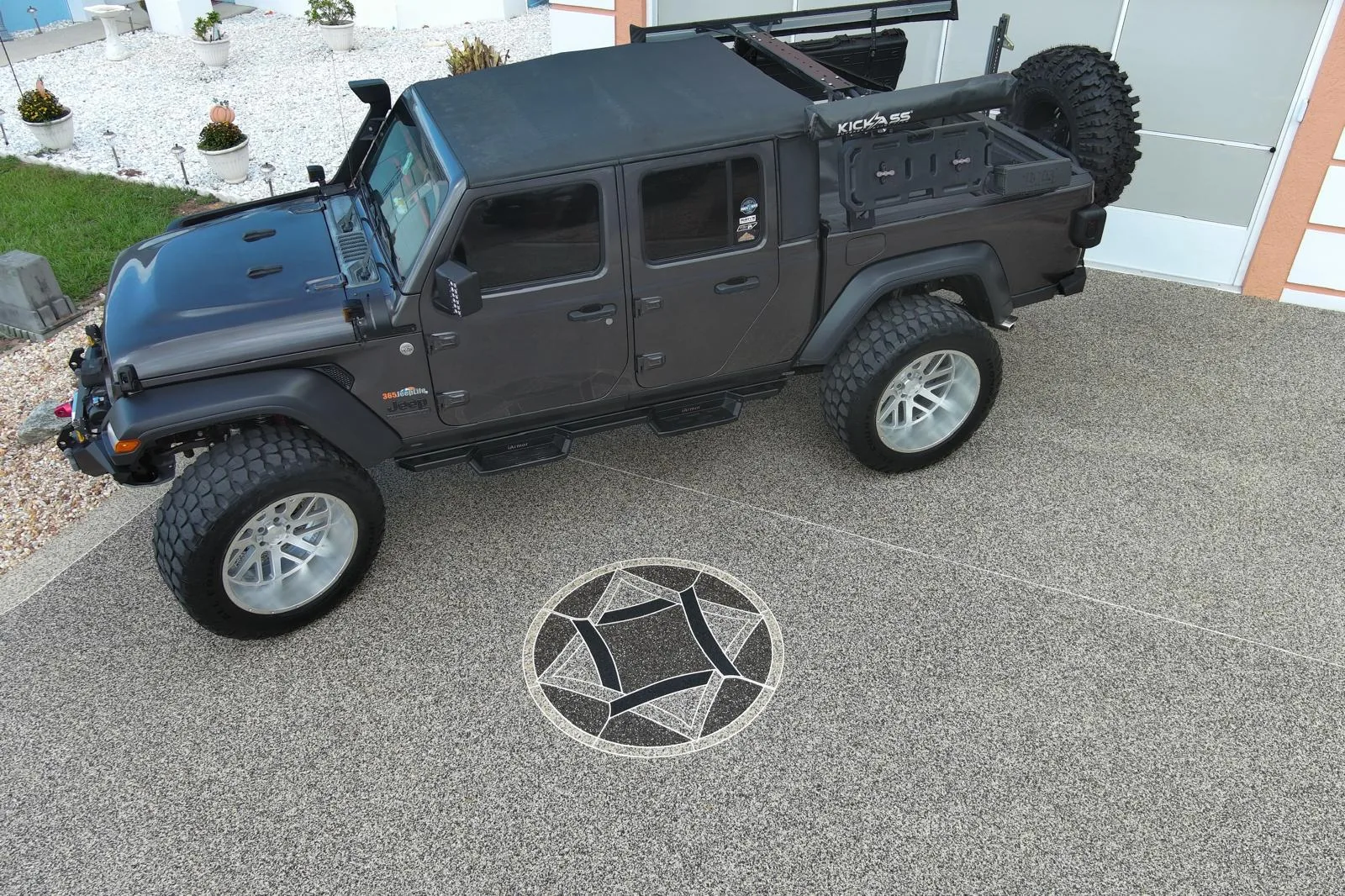
Stock example photos.
Why choose Concrete Surfaces?
Homeowners across Vero Beach, Port St. Lucie, Fort Pierce, Sebastian, Stuart, and the surrounding Treasure Coast work with us because we plan the job around the property, the existing surface, and Florida weather.
- Careful review of the existing base, drainage, and how the area will be used
- Proper site preparation before the new surface is placed
- Clean, professional installation
- Experience with residential and commercial outdoor work
- A clear process from quote through completion
Our installation process
- Free on-site consultation and quote
- Discussion of the area, existing surface, drainage, and color options
- Site preparation and base work
- Professional installation of the chosen resin rubber or resin-bound surface
- Final detailing, clean-up, and walkthrough
From start to finish, we keep the process clear and the results reliable.
Resin rubber and resin-bound FAQ
What is the difference between resin rubber and resin-bound surfaces?
Resin rubber is a poured-in-place surface made from EPDM rubber granules and a resin binder. Resin-bound surfacing is natural stone bound in UV-resistant resin, with a seamless stone-carpet look. Both are laid over a prepared base. Rubber is often chosen for courts, play areas, and cushioned or graphic finishes. Resin-bound stone is often chosen for driveways, patios, pathways, pool surrounds, and tree surrounds.
Where can these surfaces be installed?
Typical applications include pool decks and splash pads, patios, garden paths, walkways, driveways, play areas, courts, and tree surrounds. We will confirm which system suits your property after looking at the existing surface, drainage, and how the area will be used.
Do these surfaces drain in the rain?
Yes. Resin rubber is a porous surface, and resin-bound stone is a permeable surface, so water can pass through the finish. In both cases the base underneath still has to carry that water away. Falls, existing drains, and the point where the new surface meets the house, pool, or paving all need to be planned so water does not stand on the finished job.
Are these surfaces slippery around a pool?
Resin rubber is used around pools and splash pads, and the manufacturer notes grip for wet feet on pool-surround finishes. Resin-bound stone is described as slip-resistant. Traction still depends on the color and texture, how the surface is sloped, and how it is maintained. We can discuss a finish suited to a pool deck when we look at the site.
How do I start a project?
Call 772-633-6987 or email ConcreteSurface512@Gmail.com to request a free quote. Tell us about the area you want surfaced and, if you can, share a few photos. We will discuss the next practical step and the information needed for an estimate. You can also use our Contact Us page.
Ready to start your resin surface project?
Contact Concrete Surfaces today for a free quote. We proudly serve St. Lucie, Indian River, and Martin Counties with resin rubber and resin-bound surfaces, along with our other concrete, paver, and stone work.
Phone: 772-633-6987
Email: ConcreteSurface512@Gmail.com